Prefabrication can move work into controlled environments and allow adaptable formats. Each project must demonstrate technical quality.
Housing and the future
What role could small homes play in the future of housing?
Capsule homes and modular construction offer possibilities, as well as difficult questions about land, quality, access and rules. We investigate the debate without confusing proposals with existing permissions.
The context
The need for new answers.
Between 2015 and the third quarter of 2025, EU house prices rose 63.6% and rents 21.1%, according to Eurostat. These are European housing figures, not prices of capsule homes.
Source: Eurostat, 9 January 2026 ↗Our analysis
A tool, not a magic solution.
Understanding the limits helps us explain the possibilities.
An inexpensive unit does not reduce the cost of a plot or create water, sanitation and public transport.
We want authorities and professionals to study proportionate procedures for safe projects, without assuming that such homes are already allowed on every plot.
The European Commission analyses supply and demand factors affecting housing affordability.
Open questions
What we will keep investigating.
01
Where would they make sense?
Near jobs and services, or for tourist and temporary uses where rules permit them.
Land and permissions →02
Would these homes really be affordable?
Add land, design, delivery, utilities and lifetime costs to the factory quote.
The full cost →03
What makes a good home?
Habitability, ventilation, energy, privacy, maintenance and safety must be checked.
Living year-round →Know a project we should investigate? Contact us (Spanish form) →
Real-world projects
It is already happening.
Homes, tourism and worker accommodation: documented projects show what compact and modular building can do.
Housing and community
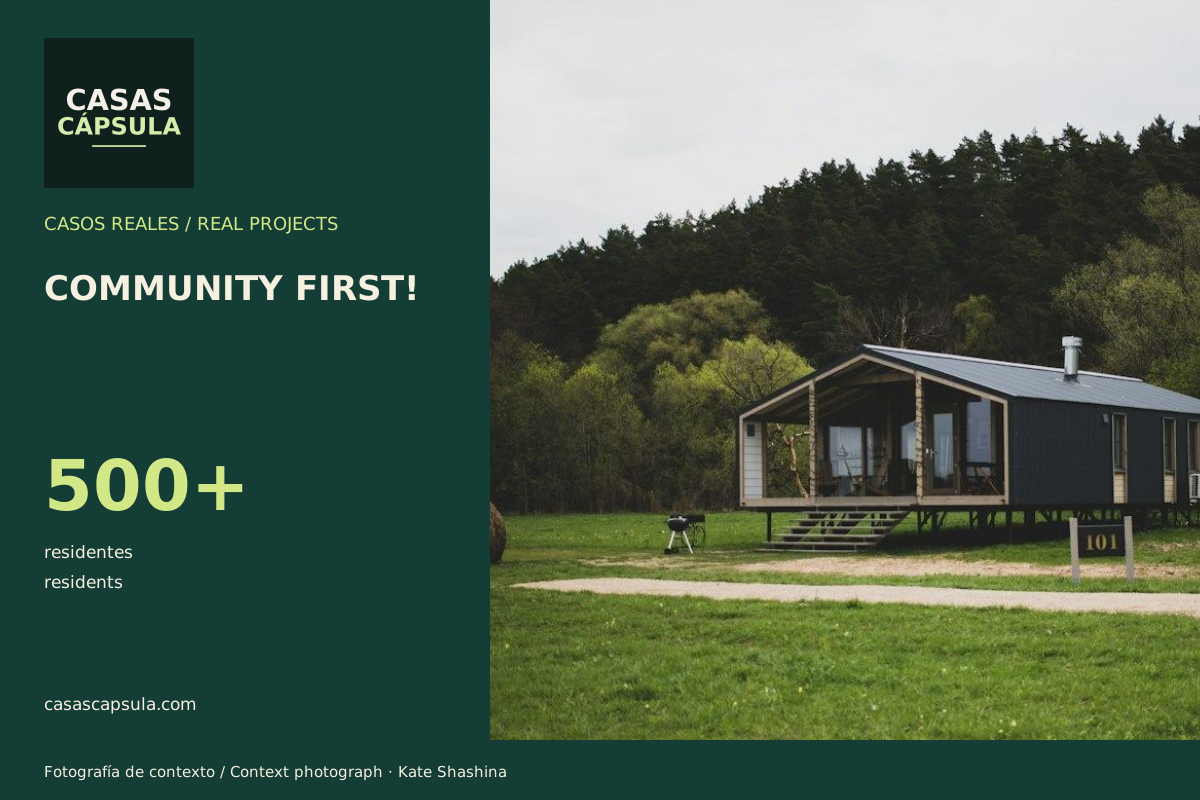
Housing and community
In Austin, a small home and a community offer a route out of homelessness
More than 500 residents in Austin: small homes and an organised community as a response to chronic homelessness.
Explore the case →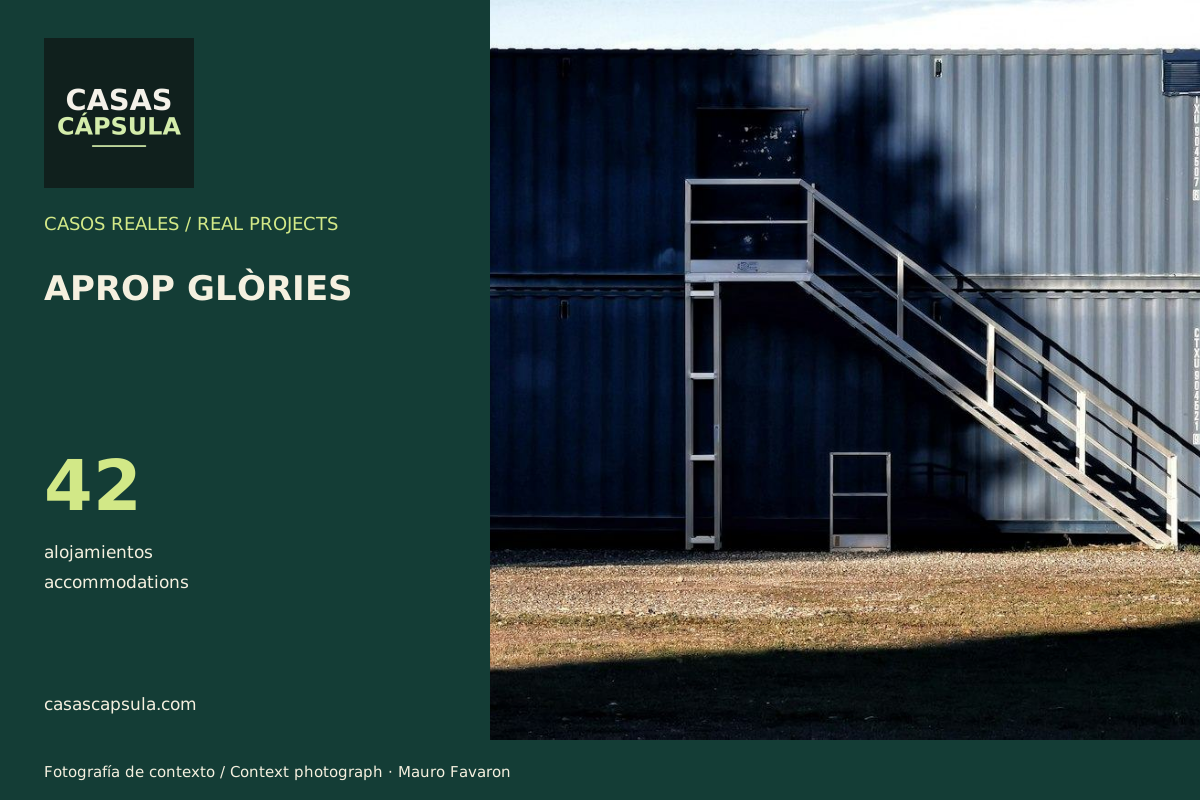
Housing and community
42 accommodations in 26 weeks: Barcelona’s modular housing example
Barcelona built 42 temporary accommodations using 77 modules. Lessons from APROP Glòries on housing and social support.
Explore the case →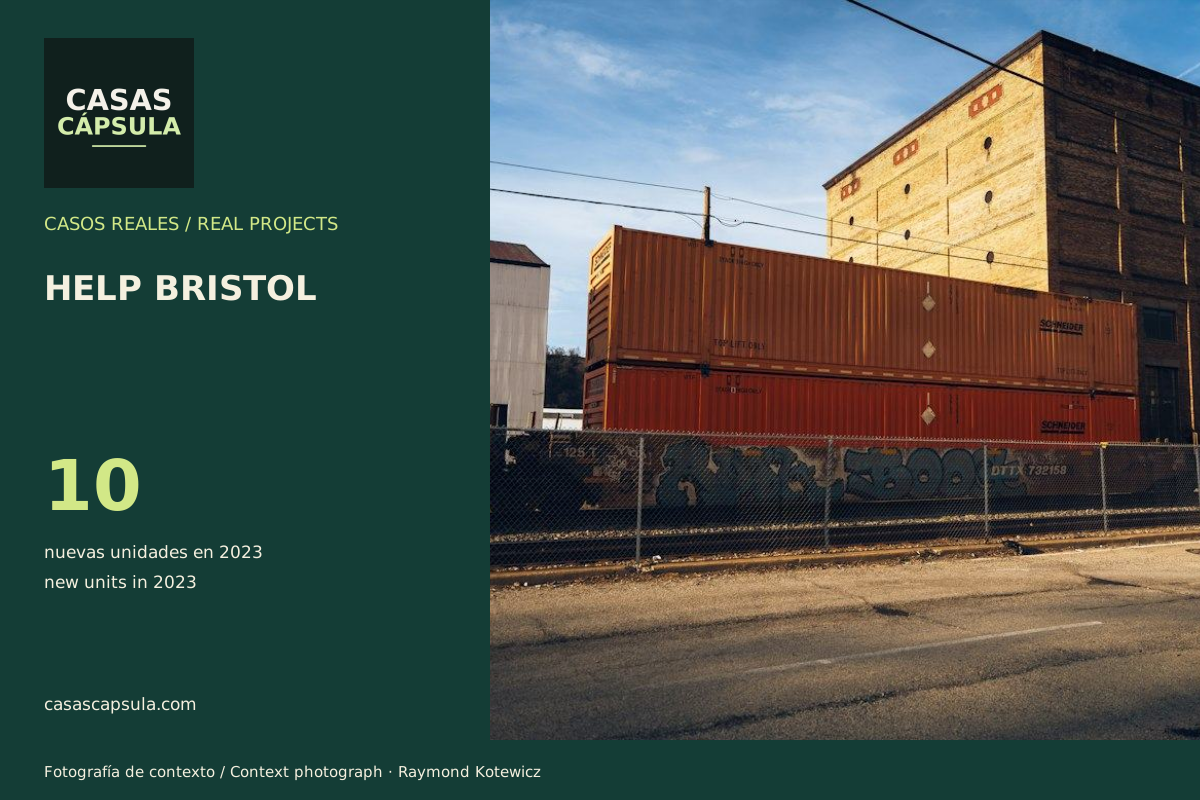
Housing and community
Ten additional micro-flats: Bristol turns compact space into an opportunity
Ten additional micro-flats delivered in 2023: private spaces with a kitchen, bedroom and shower for people sleeping rough.
Explore the case →Tourism and hospitality
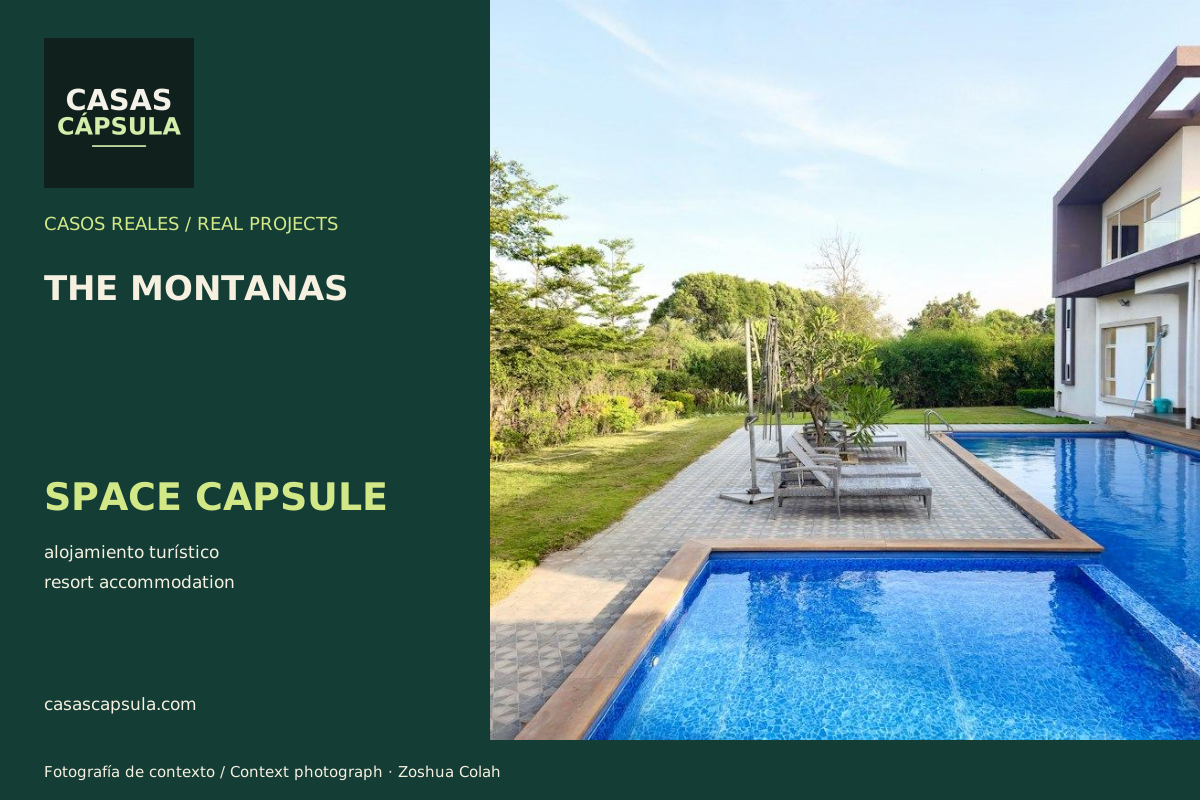
Tourism and hospitality
Capsule houses are already bookable rooms: the Khao Kho example
A Thai resort already offers bookable capsule houses. What it provides and what to study before building a similar project.
Explore the case →
Tourism and hospitality
Seven sea cabins: Manshausen shows another scale for tourism
Seven cabins and two towers in Norway: compact architecture, landscape and a distinctive hospitality experience.
Explore the case →
Tourism and hospitality
102 accommodations, one destination: AutoCamp takes compact stays to hotel scale
A 102-room property combines Airstreams, cabins and tents. Operations matter as much as the accommodation design.
Explore the case →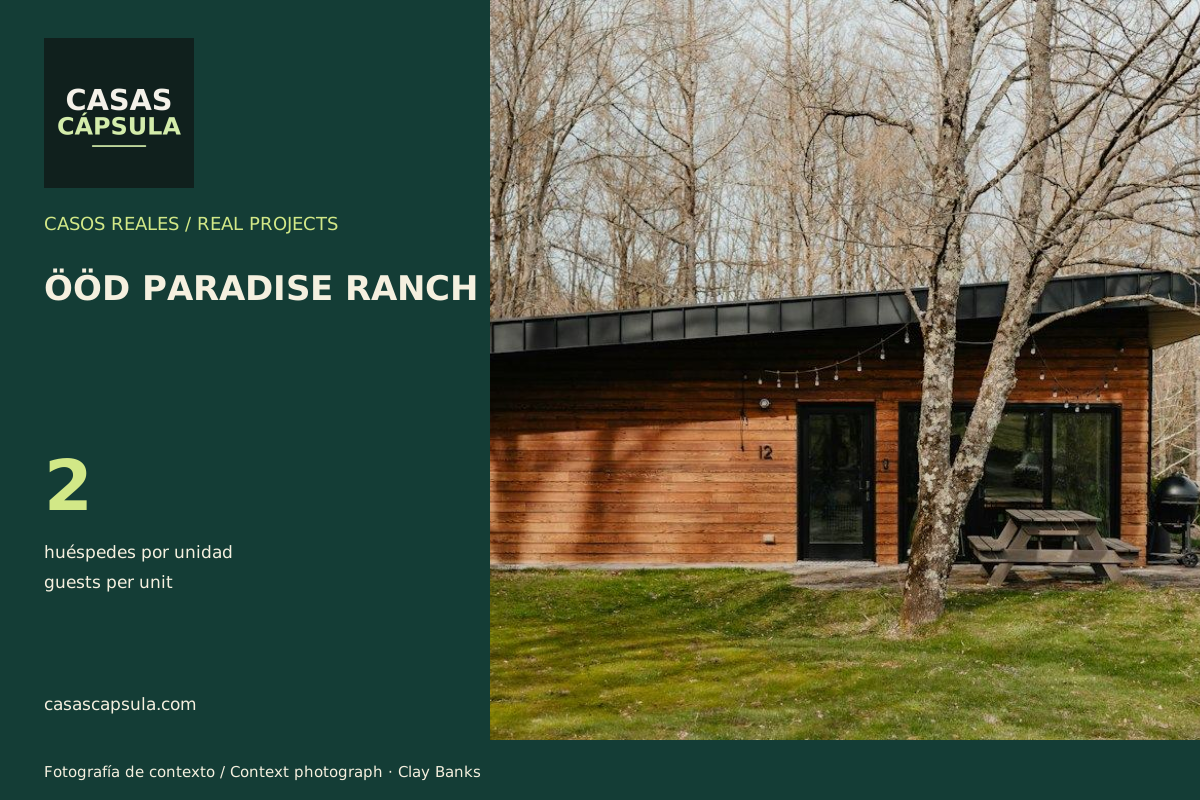
Tourism and hospitality
A mirror house for two: Paradise Ranch makes the unit part of the experience
A mirror house for two guests: what prefab design adds to tourism and which questions matter when evaluating a business.
Explore the case →Worker accommodation
Worker accommodation
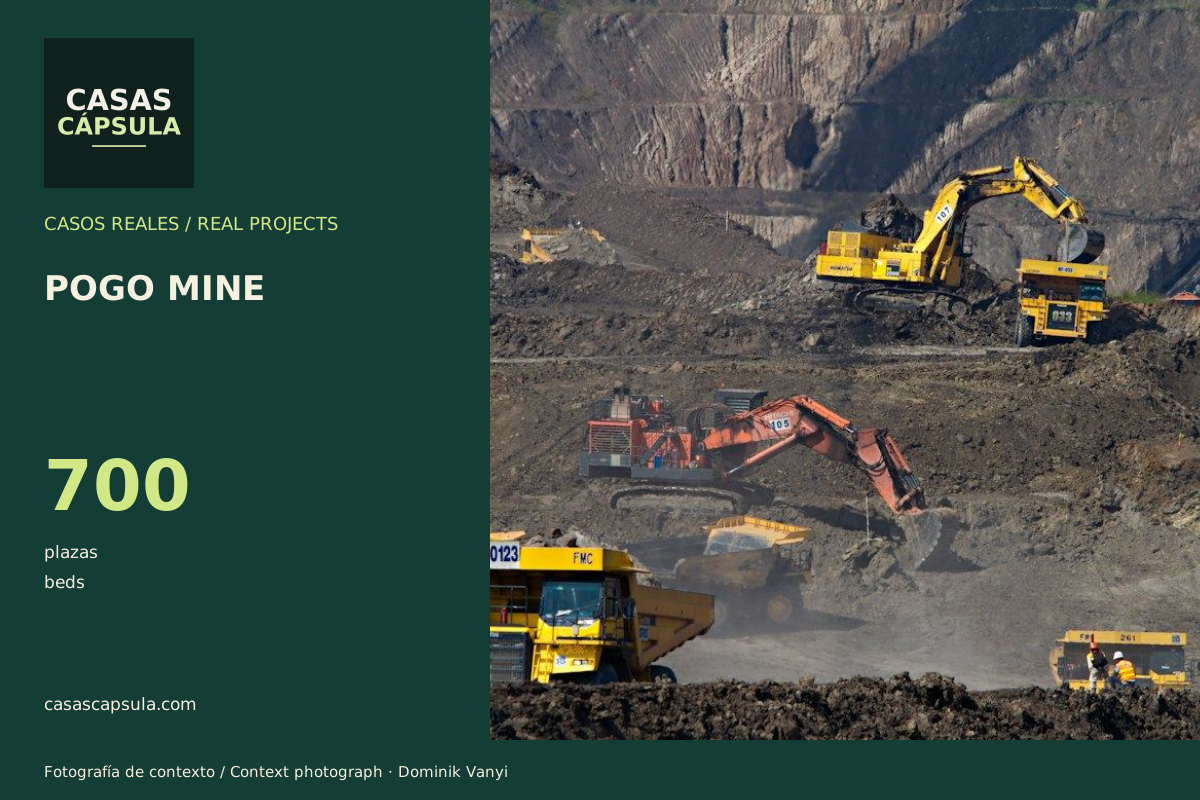
700 beds in Alaska: accommodation is part of running a remote mine
A 700-bed modular camp shows why accommodation is essential infrastructure for a remote mining operation.
Explore the case →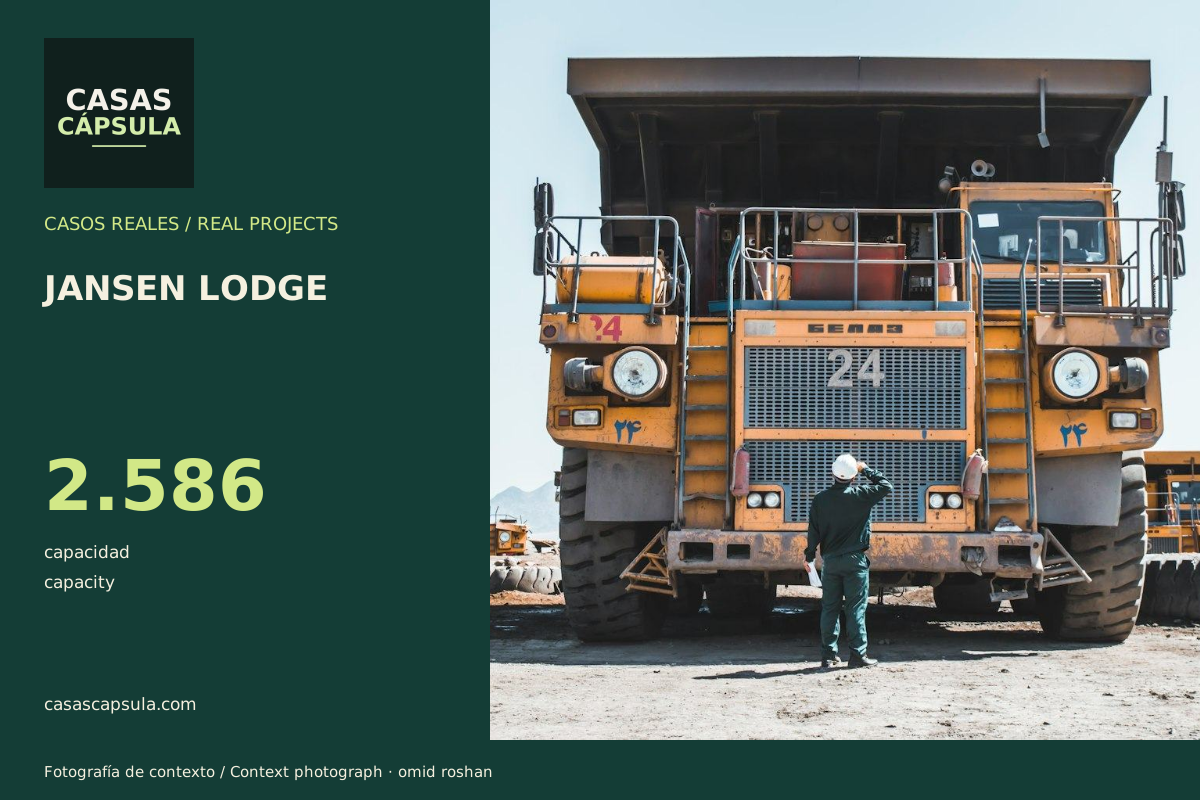
Worker accommodation
2,586 workers: a modular lodge planned around everyday life
Capacity for 2,586 workers: modular accommodation as infrastructure for a major industrial project.
Explore the case →
Worker accommodation
3.29 million resident days: ten years of modular accommodation in use
After ten years, a camp recorded 3.29 million resident days. Lessons on scale and temporary accommodation operations.
Explore the case →